
Most tank water heaters in Louisville, KY last somewhere between eight and twelve years, and that number drops with hard water, high pressure, or a tank nobody ever flushed. Most tanks give a few warnings near the end: water seeping from under the jacket, rust in the hot water, sediment noise that gets louder by the month, and showers that go cold sooner every winter. A leak from the tank body is the clearest signal of all. When the glass lining gives out and the steel corrodes through, there is no part to replace, and a slow weep can turn into a flooded floor with no notice.
Picking the replacement is where most of the value is. The old heater's size is only a starting point, since families grow, bathrooms get added, and a 40-gallon tank that was fine a decade ago may now run out every morning. Tanks get sized by first-hour rating, tankless units by gallons per minute at winter temperature rise, and we explain what each option really costs to buy and to run. A like-for-like gas or electric tank is usually the simplest and least expensive swap. Tankless and heat pump models cost more up front but can lower operating costs, and each brings its own needs for gas line size, venting, electrical capacity, or room to breathe. We lay out the facts, then you decide.
The final stretch is where a careful installer and a rushed one look nothing alike. Out goes the old tank, in goes the new heater with new connectors and a proper shutoff, and every gas and water joint is leak-tested. The vent is sized and sloped to spec, the gas line gets its sediment trap, and the relief valve discharge runs to the right spot. Code items like expansion tanks, drain pans, and seismic straps are added where required, and the permit is handled when your jurisdiction needs one. Most tank replacements are finished the same day. Call (502) 205-4594 for a firm quote on water heater replacement in Louisville.
If a single part failed, start with Water Heater Repair in Louisville and Water Heater Installation in Louisville.
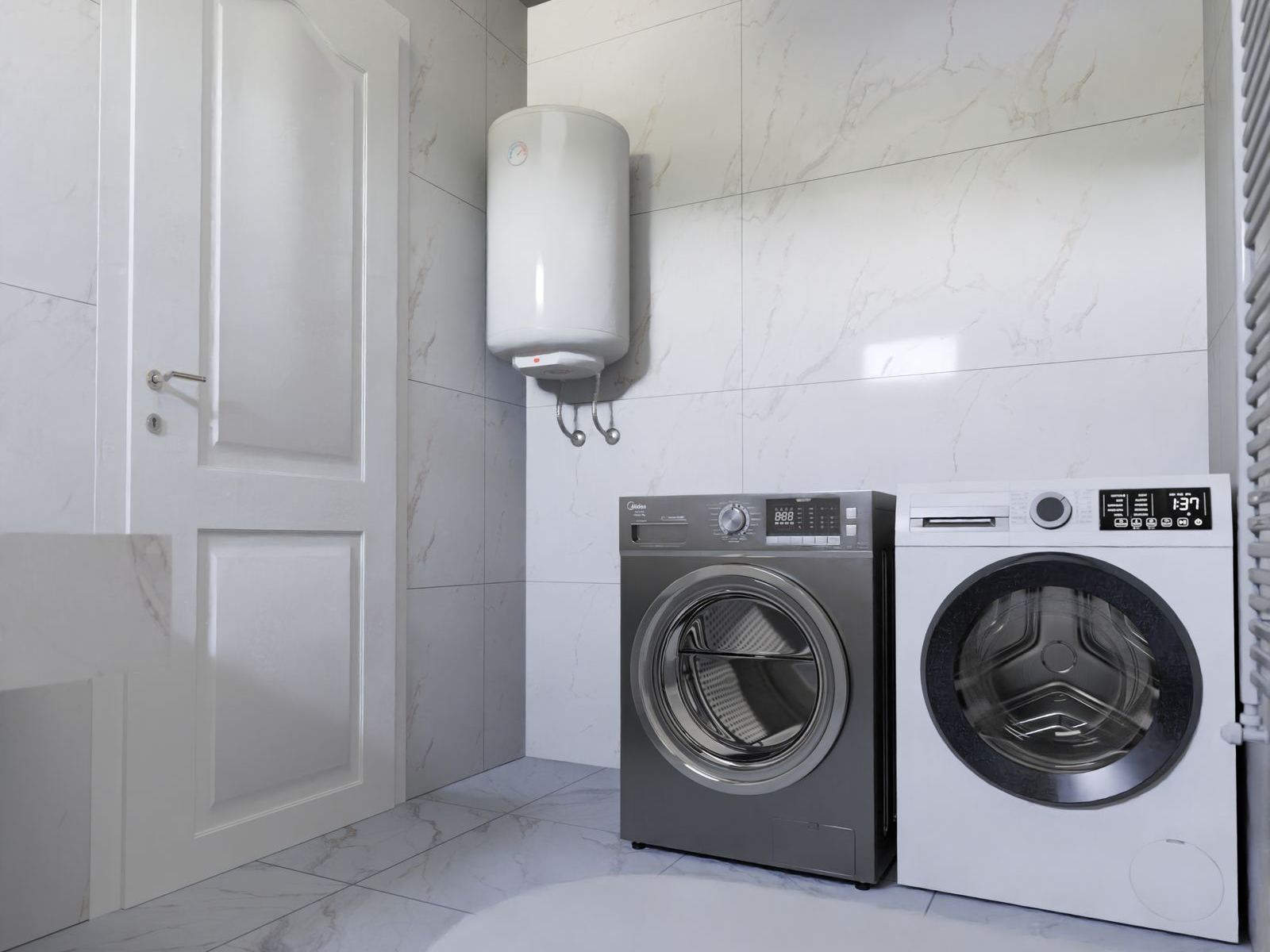
How Much Does Water Heater Replacement Cost in Louisville?
For a standard tank, a typical Louisville water heater replacement comes in between $1,100 and $2,800 installed. Tankless and heat pump models cost more up front, and code items like expansion tanks or venting changes can add to the total. You'll get a written, upfront price from Louisville Water Heater after we see your installation.
| Option | Typical cost | What it usually means |
|---|---|---|
| 40–50 gal gas tankStandard atmospheric vent; power-vent models cost more | $1,400–$2,800 | The most common swap; venting and gas connection included |
| 40–50 gal electric tankSimplest replacement when the circuit is already correct | $1,100–$2,400 | Lowest installed cost for most homes |
| Tankless gasContinuous hot water; upper end includes gas and vent upgrades | $2,800–$5,500 | Often needs a larger gas line and new venting |
| Tankless electricHeavy electrical load; panel capacity checked first | $1,500–$3,500 | Heavy electrical load; panel capacity checked first |
| Heat pump / hybridBefore rebates; needs space, airflow, and a condensate drain | $2,800–$5,000 | Lower running cost; rebate amounts vary by utility |
| Expansion tank & code updatesAdded only when your home or local code calls for it | $150–$800 | Added only when your home or local code calls for it |
These are common installed price ranges, not quotes. We confirm the exact price after a site check.
What Affects the Price
- Fuel type, tank or tankless, and the capacity your household needs
- Whether the gas line, venting, or electrical circuit needs upgrading for the new unit
- Code items your home needs, such as an expansion tank, drain pan, straps, or permit
- Access and location, like attic, closet, or crawlspace installs
We always compare against a repair when the tank is still sound, so you can decide with real numbers. Call (502) 205-4594 to get a firm quote for your home.
How to Tell Something Is Wrong
Recognizing the warning signs early can save you money and keep a slow drip from turning into a flooded utility room. If any of the following sound familiar, it's worth having the unit checked:
- A second or third repair within a year or two
- Operating costs climbing on an older, less efficient heater
- Water leaking from the bottom or body of the tank
- Rust flaking from the tank jacket or its connections
- Loud rumbling or popping that flushing no longer fixes
- Rusty or brown water from the hot side only
- A water heater that is more than about ten years old
- Hot water running out faster every month
Small Symptoms, Big Consequences
Most water heater failures start small: a popping sound from sediment, a damp spot under the drain valve, or a shower that goes lukewarm a few minutes sooner each week. If you notice any of these signs, contact Louisville Water Heater at (502) 205-4594 for a prompt inspection.
Need Help With Water Heater Replacement?
One call gets a technician scheduled and a clear price before any work starts.
Call (502) 205-4594 TodayFrequently Asked Questions About Water Heater Replacement
Why This Job Calls for a Pro
Swapping a water heater looks simple until you count the connections. Gas units need a leak-free connection with a sediment trap, a correctly sized and pitched vent that sends carbon monoxide outdoors, and enough combustion air. An electric unit needs a circuit and breaker matched to the element wattage. Every tank needs a correctly rated relief valve with a discharge pipe routed to a safe spot, and many homes also need an expansion tank, a drain pan, or seismic straps under local code. Going tankless or switching to a heat pump adds even more: bigger gas lines, different vent materials, dedicated circuits, and condensate drains.
Professional replacement gets all of it right the first time. Our experienced technicians size the heater to your household, verify the gas line, vent, and electrical service, and install whatever code items apply. We leak-test, check draft and carbon monoxide on gas units, and set a safe temperature before we leave. It is what separates a heater that runs quietly for years from one that has problems from the start. And if a repair would buy you several good years on your current tank, we tell you that honestly instead of selling you a new one.
Step by Step: How a Visit Works
Every visit follows a step-by-step method built around testing first and replacing parts only when the readings call for it. Here's how we handle water heater replacement from start to finish:
Assessment & Sizing
We date the old tank, check the gas line, venting, electrical, and water pressure, and size the new heater to your household using first-hour rating or flow rate.
Options & Firm Quote
You receive plain-language options and a firm price, with expansion tanks, venting changes, or permits spelled out up front.
Installation Day
The old tank is drained, removed, and taken away, and the new heater goes in with new connections, sized venting, and a relief valve piped to a safe spot.
Startup & Safety Check
We fill and purge the tank, leak-test every joint, confirm draft and carbon monoxide on gas units, and set a safe water temperature before we leave.
Water Heater Care Tips From Our Technicians
A few simple habits, like an annual flush and a quick look at the relief valve, can add years to a tank. Follow these tips from our technicians:
- Make sure an expansion tank is in place if your home has a closed plumbing system
- Set the thermostat around 120 degrees to prevent scalding and reduce wear
- Flush the new tank once or twice a year to keep sediment from building up
- Have the anode rod checked around year three to five and replaced if it is worn
- Heat pump units need a clean filter and open airflow to run efficiently
- Plan ahead: knowing the heater's age lets you replace it on your schedule, not after a leak
- Descale a tankless unit every year, or more often with hard water
DIY vs. Professional Water Heater Replacement
Online videos may help in a pinch, yet lasting repairs and code-compliant installs depend on correct venting, proper relief valve discharge piping, and a trained technician. Here's how the two approaches stack up:
| Consideration | DIY Attempt | Hiring a Pro |
|---|---|---|
| Sizing | Guessing from tank size alone | Matched to real household demand |
| Venting | Gas and vent work with no testing | Gas and vent checked with instruments |
| Code Compliance | Expansion tank and pan skipped | Built to local code, permit handled |
| T&P Discharge | Relief line left short or blocked | New valve piped to a safe point |
| Removal & Disposal | Moving and disposing of the old tank | We take the old tank with us |
| Outcome | A swap that may fail inspection | Tested, safe, and ready for inspection |
Let's Get Your Hot Water Back
Every day a leak or a failing part goes unchecked puts more stress on the tank. Get Louisville Water Heater on the job today.
Call (502) 205-4594 NowCommunities We Cover
We bring water heater replacement to homes and businesses in town and across the nearby communities. Pick your area to see local details.